La cité de Carcassonne
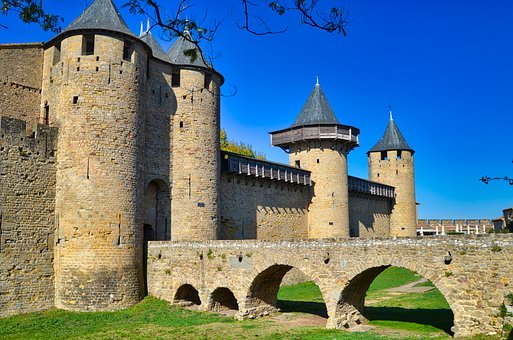
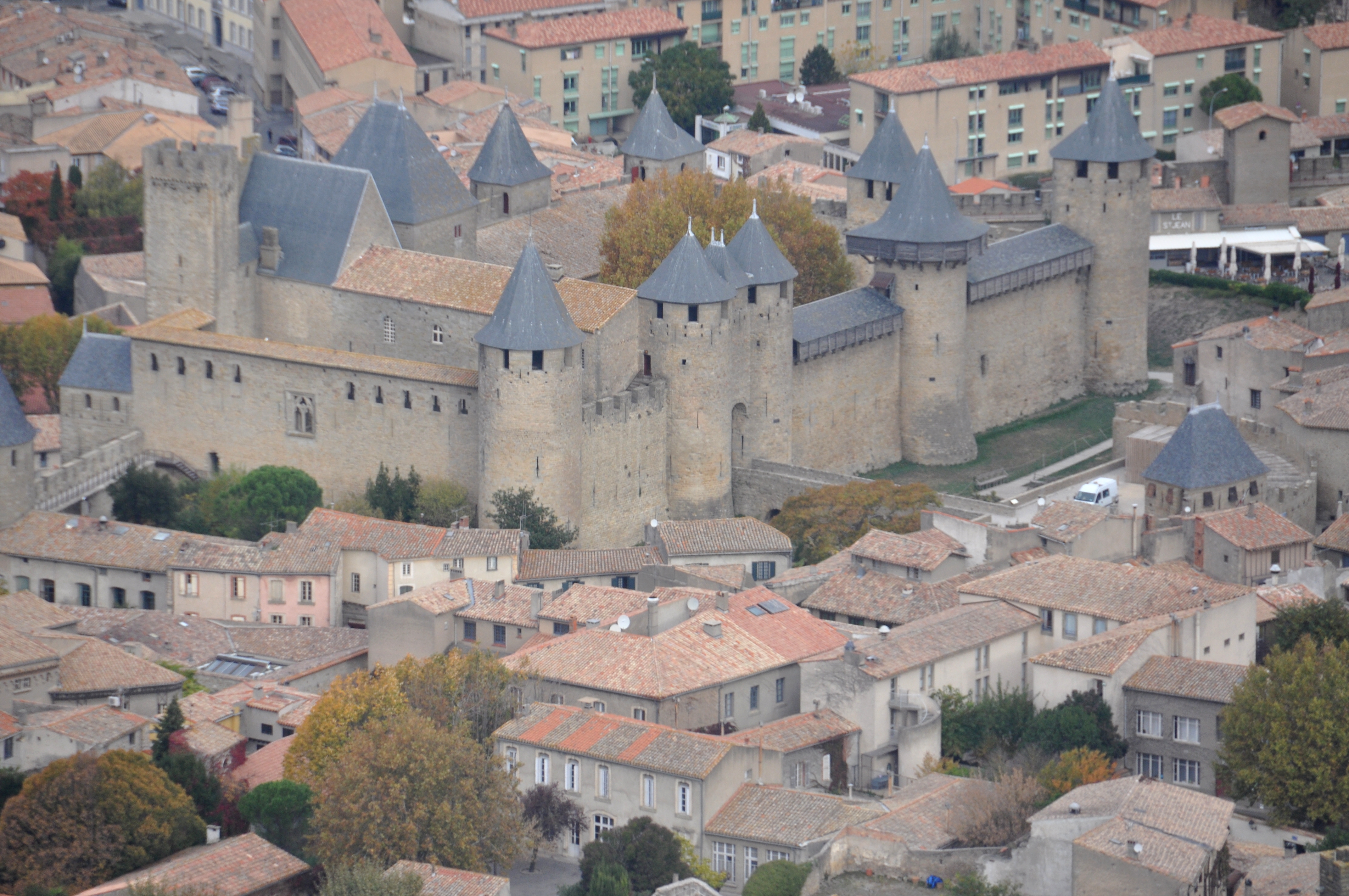
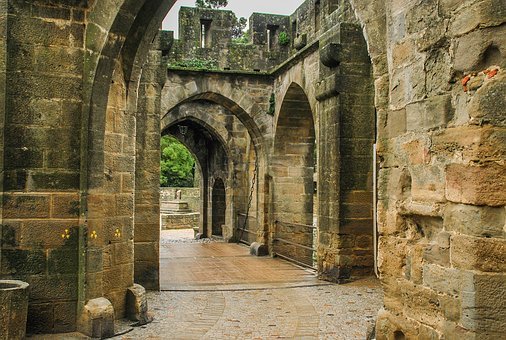
Located 45 minutes from the campsite, the town of Carcassonne offers you the chance to visit one of the most beautiful medieval cities in Europe!
The town is home to two UNESCO World Heritage Sites: the Canal du Midi, listed in 1996, and the Medieval City, listed in 1997.
The city was built on the banks of the River Aude and is traditionally divided into two parts: the lower town, which occupies the riverbanks to the west, and the upper town (or citadel) on the hill overlooking the Aude.
Inhabited since the Neolithic period, Carcassonne boasts 2,500 years of history marked by the influence of Catharism and the Crusades.
The oldest traces of human habitation – dating back to the 6th century BC – are found on the promontory where the Cité de Carcassonne stands. In 122 BC, the Romans conquered Provence and Languedoc, and fortified the oppidum, which took the name Carcaso. It was under the Trencavel dynasty, from 1082 to 1209, that the city came to enjoy exceptional prominence. During this prosperous period, Catharism developed rapidly. Raymond Roger Trencavel, Viscount of Carcassonne (1194–1209), tolerated and protected the heresy on his lands. He bore the brunt of the crusade preached by Pope Innocent III, and on 15 August 1209, after a fortnight’s siege, it was all over. The Cité and the lands of Trencavel were awarded to the military leader of the crusade, Simon de Montfort, and in 1224 they were ceded to the King of France.
With its incorporation into the royal domain, the fate of the Cité was to be transformed... By the 18th century, it had become nothing more than a squalid, outlying district of a city enriched by the wine trade and the cloth-making industry. It was only thanks to the combined efforts of Jean-Pierre Cros-Mayrevieille, a scholar from Carcassonne, Mérimée and the famous architect Viollet-le-Duc that it was saved from demolition, and that today millions of visitors can admire the most accomplished fortified town in Europe.