The region
Occitanie, formerly known as Languedoc-Roussillon, is a region rich in history and heritage.
Its landscapes range from mountains and plains to the seaside, offering something to delight everyone!
Less than 30 minutes from the campsite:
Minerve
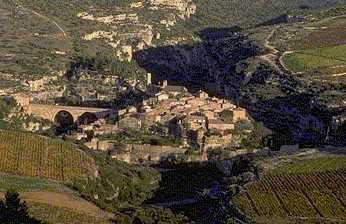
Minerve, located 5 minutes from the campsite, is the historic capital of the Minervois.
The village is listed among the Most Beautiful Villages of France.
The village stands on a rocky outcrop, formed by the canyons of the two rivers that converge here: the Cesse and the Brian.
With its terraced gardens and medieval alleyways, the town is best known for the siege it endured in 1210 during the Albigensian Crusade against the Cathars,
A visit not to be missed under any circumstances!
You can take a hiking trail starting from the campsite to reach Minerve in an hour without any particular difficulty.
Canal du Midi:
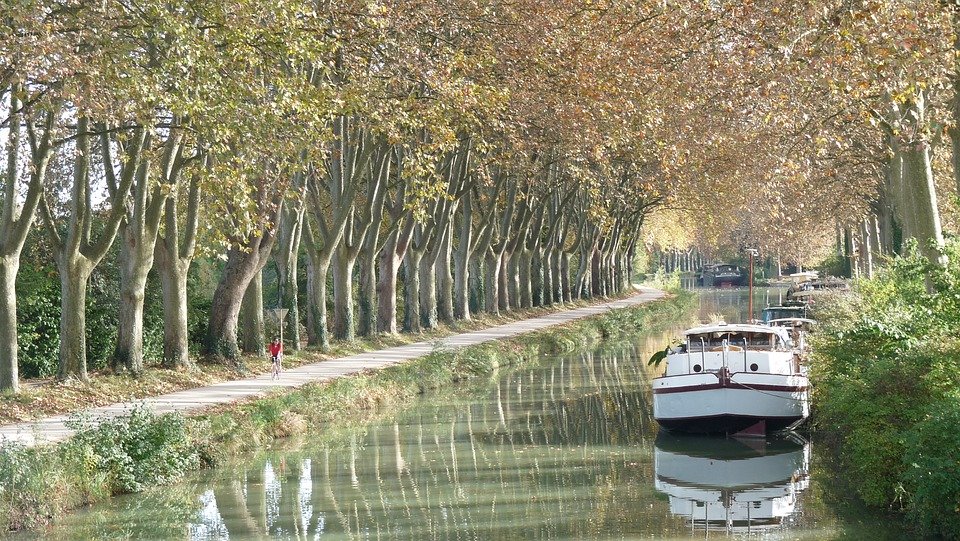
The famous Canal du Midi, whose nearest port to the campsite is Homps, takes you on a journey along the water for guaranteed moments of relaxation!
Listed as a UNESCO World Heritage Site, this structure, built in the 17th century,
links the Atlantic Ocean to the Mediterranean Sea via a 240 km-long waterway.
The Canal du Midi encountered numerous obstacles,
particularly in Languedoc, requiring the construction of remarkable structures,
some of which were unique for their time...
– Boat hire:
Several companies offer boat hire on the Canal du Midi:
Plaisance Yachting in Poilhes offers electric boat hire, no licence required. Quiet and easy to drive for a thoroughly enjoyable experience!
Sunboat in Colombiers offers licence-free boat hire for 2 to 12 people, as well as themed trips, packed lunches and bike hire...
– Cruises:
Les Croisières du Midi in Homps offers you a unique experience aboard the traditional barge “Le Saint Féréol” for a 2-hour cruise.
Lake Jouares:
A little oasis of coolness where you can swim in complete safety, as the lake is lifeguarded in July and August.
Children can enjoy a relaxing time with the inflatable water games.
Various facilities are available: barbecue and picnic area.
An ideal spot for fishing enthusiasts, but also for sports enthusiasts, with a 5 km walk around the lake.
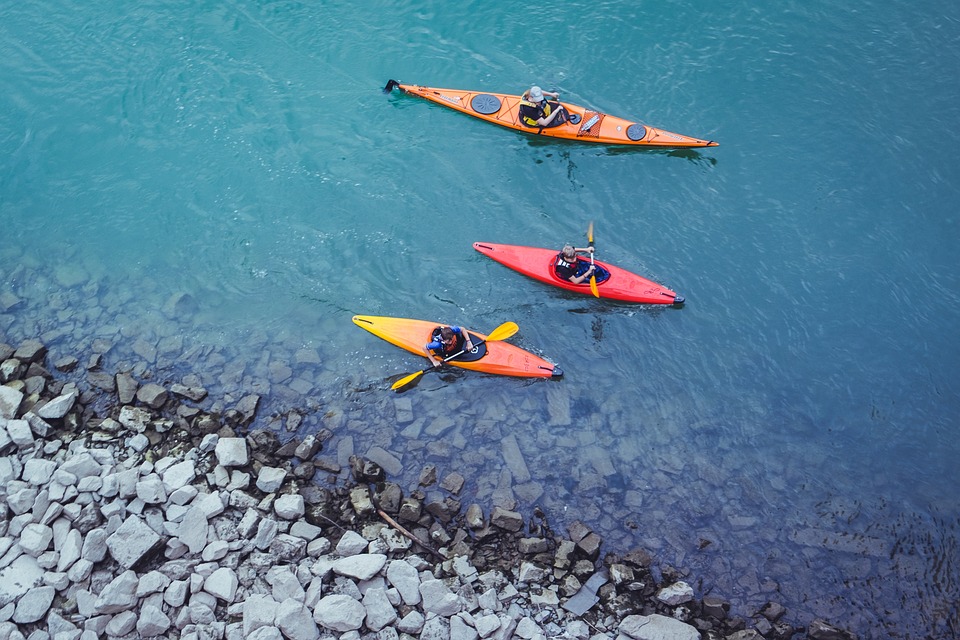
– The Water Sports Centre: Jouarres Water Sports Club, boat park, sailing school, boat hire, windsurfing boards, pedalos, canoes and kayaks
– La Guinguette du Lac: a restaurant where you mustn’t miss the staircase leading up to the roof of the building, offering a panoramic view of the site.
The restaurant serves traditional dishes and grilled meats with a superb view of the lake
Outdoor activities:
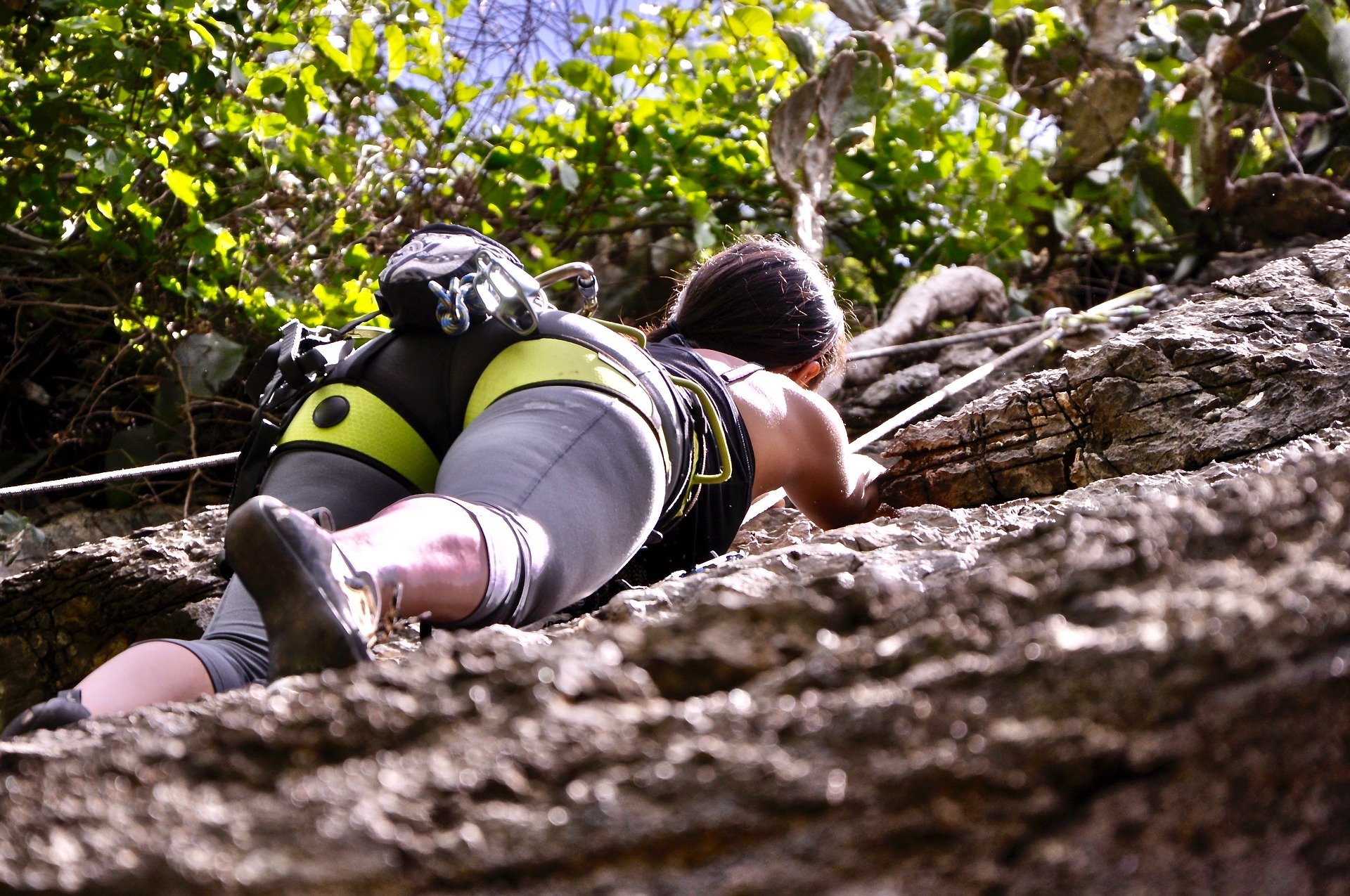
Hiking:
At the campsite, we provide a wide range of free hiking guides.
There’s something for all abilities and tastes!
Mountain biking:
Mellow Vélos in Paraza offers bike hire by the day or week, with the option of having them delivered directly to the campsite.
Languedoc VTT Evasion offers an electric mountain bike tour with an instructor. A tour starting from the campsite, subject to booking.
Climbing:
A climbing guide featuring 300 routes in the Minervois is available at reception. Discover the sites of Notre Dame du Cros, the Gorges de la Cesse and Trémédal from a whole new perspective!
Horse riding:
El Condor ranch is an equestrian center at Pépieux, offering wonderful horse rides for all levels.
Professional instruction and stunning scenery.
Water sports:
At Lake Jouarres, the Club Nautique offers a range of services including a boat park, a sailing school, and hire of boats, windsurf boards, pedalos, and canoes and kayaks.
Eaurizon: a range of outdoor activities:
Eaurizon in Puichéric offers canyoning, rafting, climbing, via ferrata, stand-up paddleboarding, archery and many other outdoor activities, all led by a team of professionals at Eaurizon.
For more information, visit the Eaurizon website
L’Oulibo:
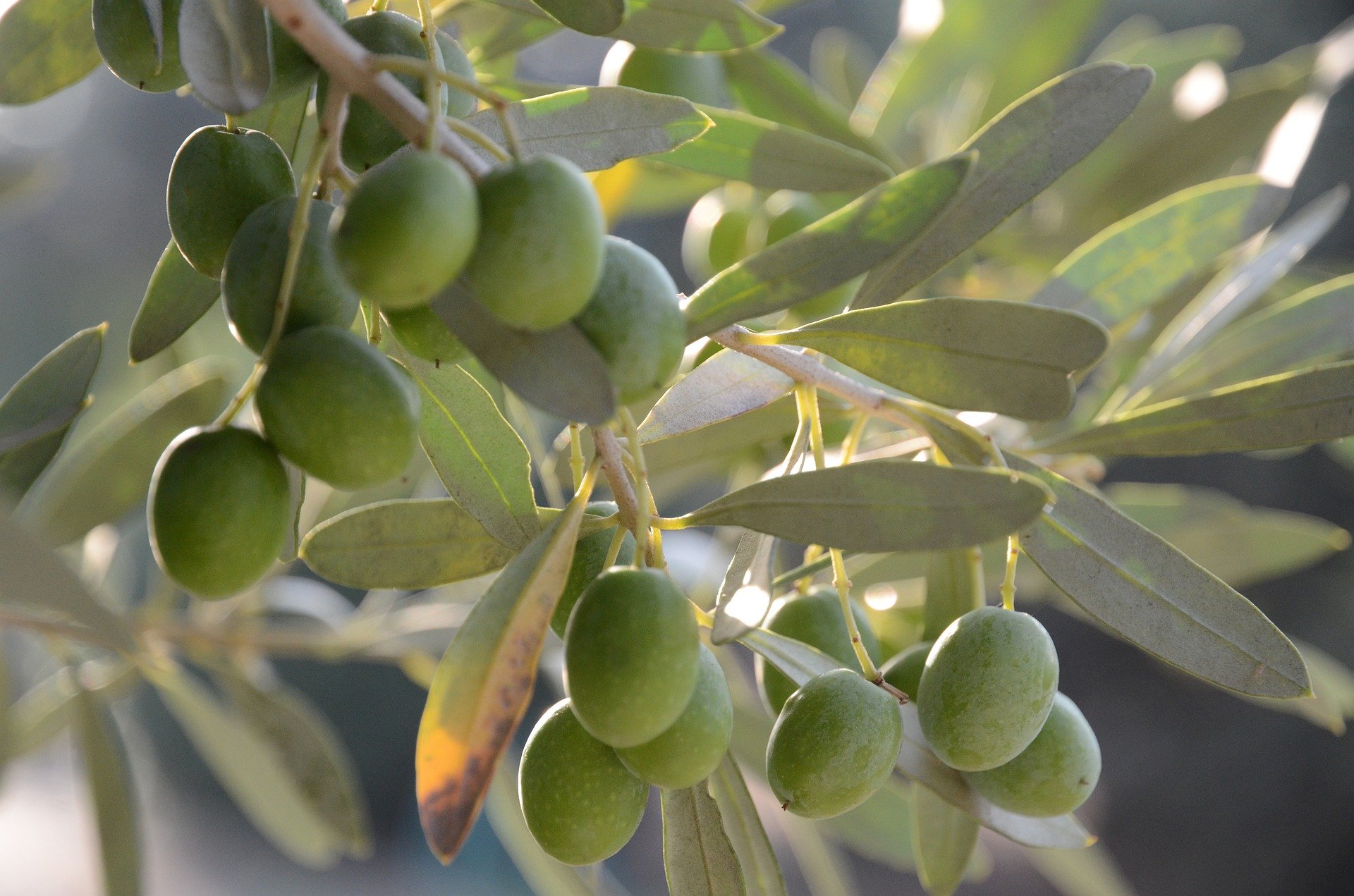
Discover the world of olives in Bize-Minervois!
Since 1942, the Oulibo mill has been producing olive oil and local olives.
A guided tour and a shop selling local produce will introduce you to the flavours of the Minervois!
Swimming in the river:
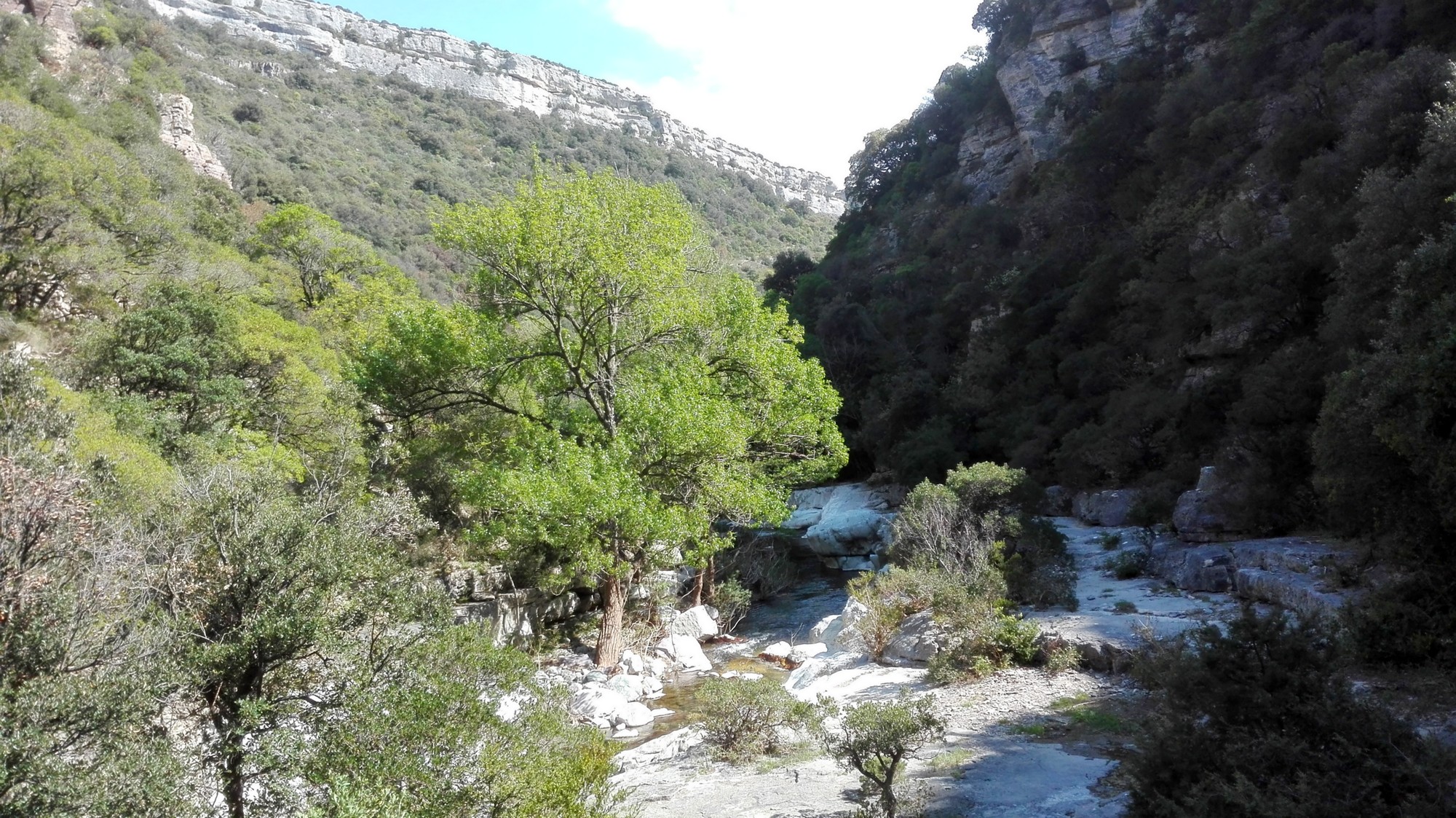
From Sallèle d’Aude to Minerve, enjoy the Cesse river near the campsite!
At reception, you’ll find several leaflets showing you exactly where you can access the river for a swim.
Please note: the river is in its natural state and there are no lifeguards on duty, so please take care.
Less than one hour from the campsite:
Narbonne:
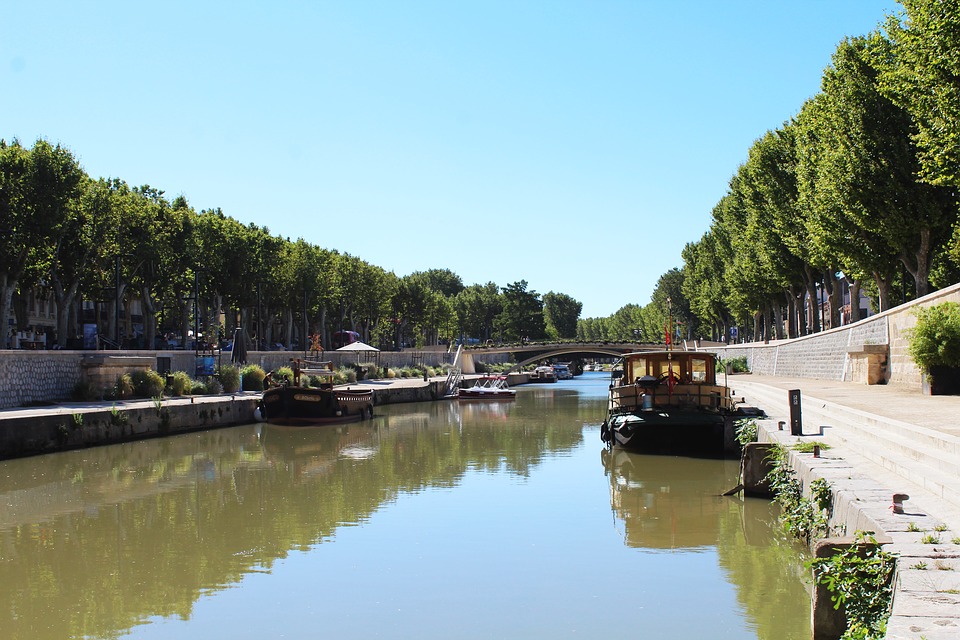
Narbonne was the first Roman colony outside Italy, and the cobblestones of the Via Domitia bear witness to this.
Its history has thus left a magnificent heritage to explore:
numerous monuments such as the Bishops’ Palace
To keep you cool, the Canal de la Robine runs through the city right to its heart.
Further south, Narbonne-Plage boasts 5km of fine sandy beach and 3,000 hours of sunshine a year!
To the east, heading towards Les Cabanes de Fleury, you’ll discover the landscapes of the Camargue! White horses, black bulls, tall reed beds… a complete change of scenery guaranteed.
More information about the city of Narbonne
Béziers:
Straddled by the River Orb and surrounded by vineyards, Béziers may well be the oldest town in France, predating Marseille, as numerous archaeological excavations have revealed that the town was founded by the Greeks in the 7th century BC. With a population of 77,177 in 2017, Béziers is the second-largest town in the Hérault department after Montpellier.
Béziers’ modern-day fame stems from its wine-growing industry, its rugby union team and its feria, which takes place every summer around 15 August.
Béziers offers a wealth of sites and monuments to visit, such as the nine locks of Fonseranes on the Canal du Midi, listed as a Historic Monument, a Grand Site of Occitanie and a UNESCO World Heritage Site. But also Saint-Nazaire Cathedral, the Jardin des Evêques, the Old Cemetery, the Old Bridge, the Jardin des Poètes, not to mention the Allées Paul Riquet and the municipal theatre situated in its heart.
Carcassonne:
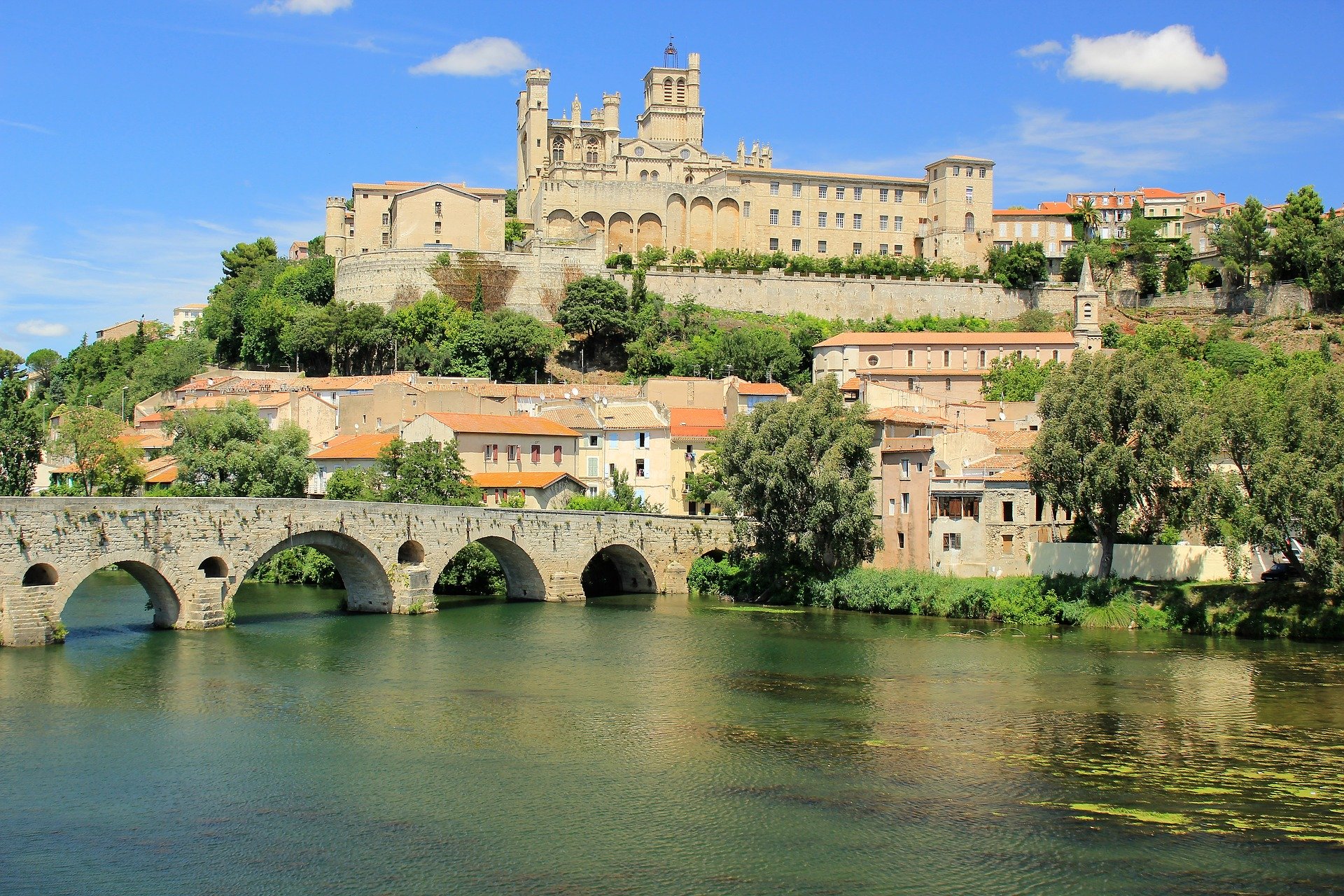
Visit one of the most beautiful and remarkable medieval cities in Europe!
Listed as a UNESCO World Heritage Site. Inhabited since the Neolithic period, Carcassonne boasts 2,500 years of history marked by the influence of Catharism and the Crusades.
This medieval architectural complex was restored by Viollet-le-Duc in the 19th century. It is one of the most remarkable medieval towns in Europe. The Cité, which is still inhabited, features 52 towers and two concentric walls totalling 3 km of ramparts.
More information on the Cité de Carcassonne
Olargue:
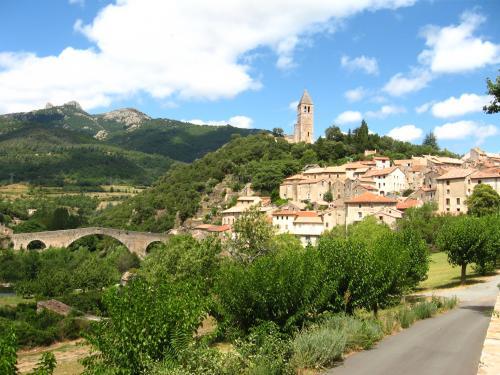
Built on a rocky hill surrounded by the River Jaur,
the village, nestled in the heart of the Haut-Languedoc Regional Nature Park at an altitude of 183 metres, at the foot of the Espinouse Massif,
has been listed among ‘The Most Beautiful Villages of France’ since 1992.
It offers a highly diverse environment, sumptuous landscapes and numerous sights to discover:
the former keep of the medieval castle, converted into a bell tower in the 13th century, which offers a view of breathtaking beauty against the backdrop of the famous Caroux massif.
the Pont du Diable, a listed historic monument, situated below, built in the 12th century.
the Museum of Folk Arts and Traditions
the 17th-century Saint-Laurent Church and its Clergeau organ, a listed historic monument installed in the church in 1900.
the Peyro Escrito (Pierre Ecrite, prehistoric engravings), a listed historic monument, to be discovered whilst exploring the paths and trails of the Malviès PR hike, signposted from the village.
More information about Olargue
Lagrasse:
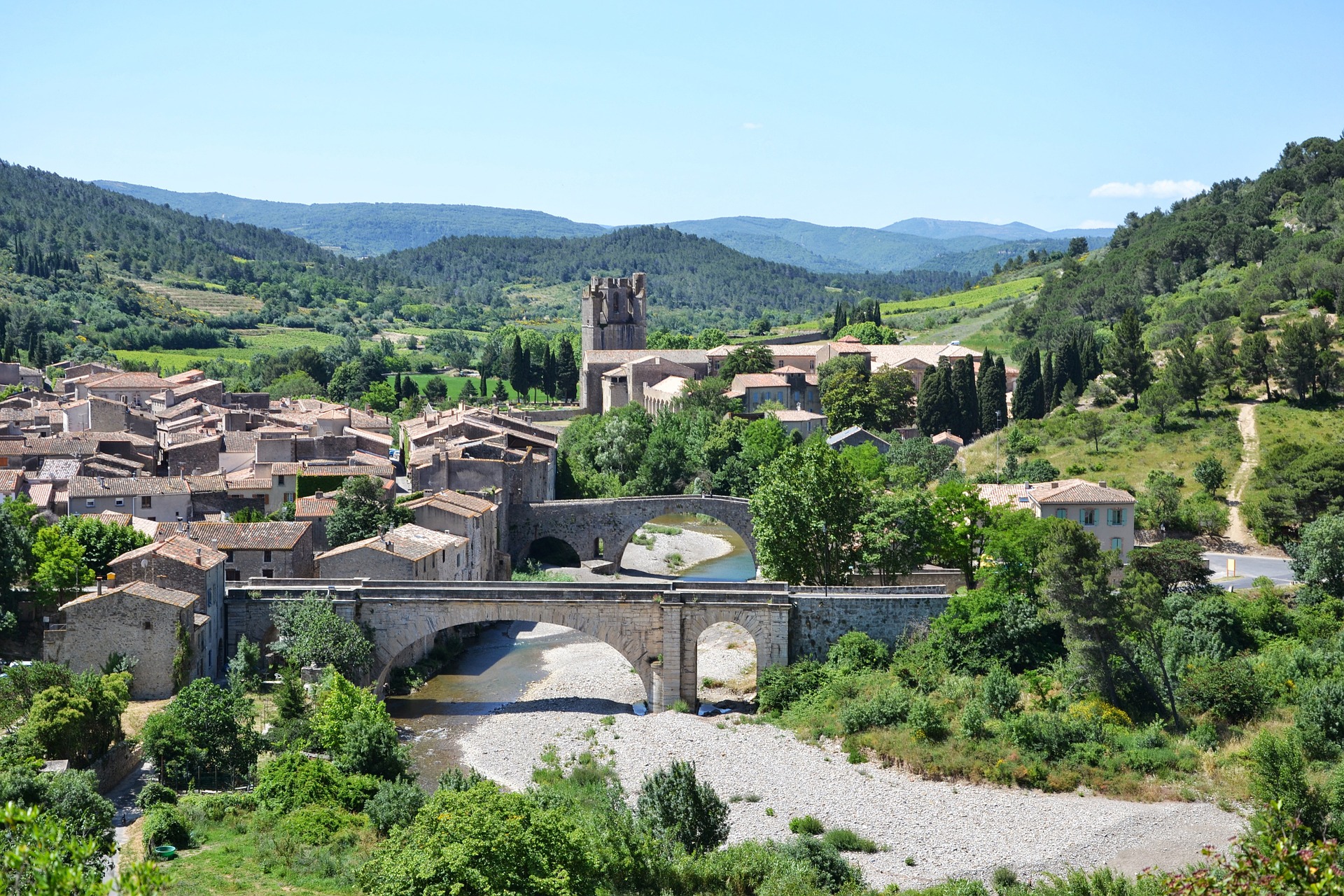
Situated in the heart of the Corbières region, Lagrasse lies in a basin through which the River Orbieu flows.
Famous for its abbey, the largest in the Aude department, and its village,
which is listed among the Most Beautiful Villages of France.
Lagrasse’s notable sites:
The medieval town and its beautiful architectural complex.
The narrow streets leading to a lovely square with listed houses: the Maison Maynard and the Maison Lautier. Also worth noting are the former convent of the Sisters of Nevers and the Maison Sibra.
The Pont Vieux (1303), rebuilt in the 17th and 19th centuries.
The Gothic-style St Michel Church.
The Benedictine Abbey of Ste Marie d’Orbieu mentioned above (see cultural highlight).
The Maison du Patrimoine.
The Halle, dating from 1315, a true gem of medieval architecture
The Héric Gorges:
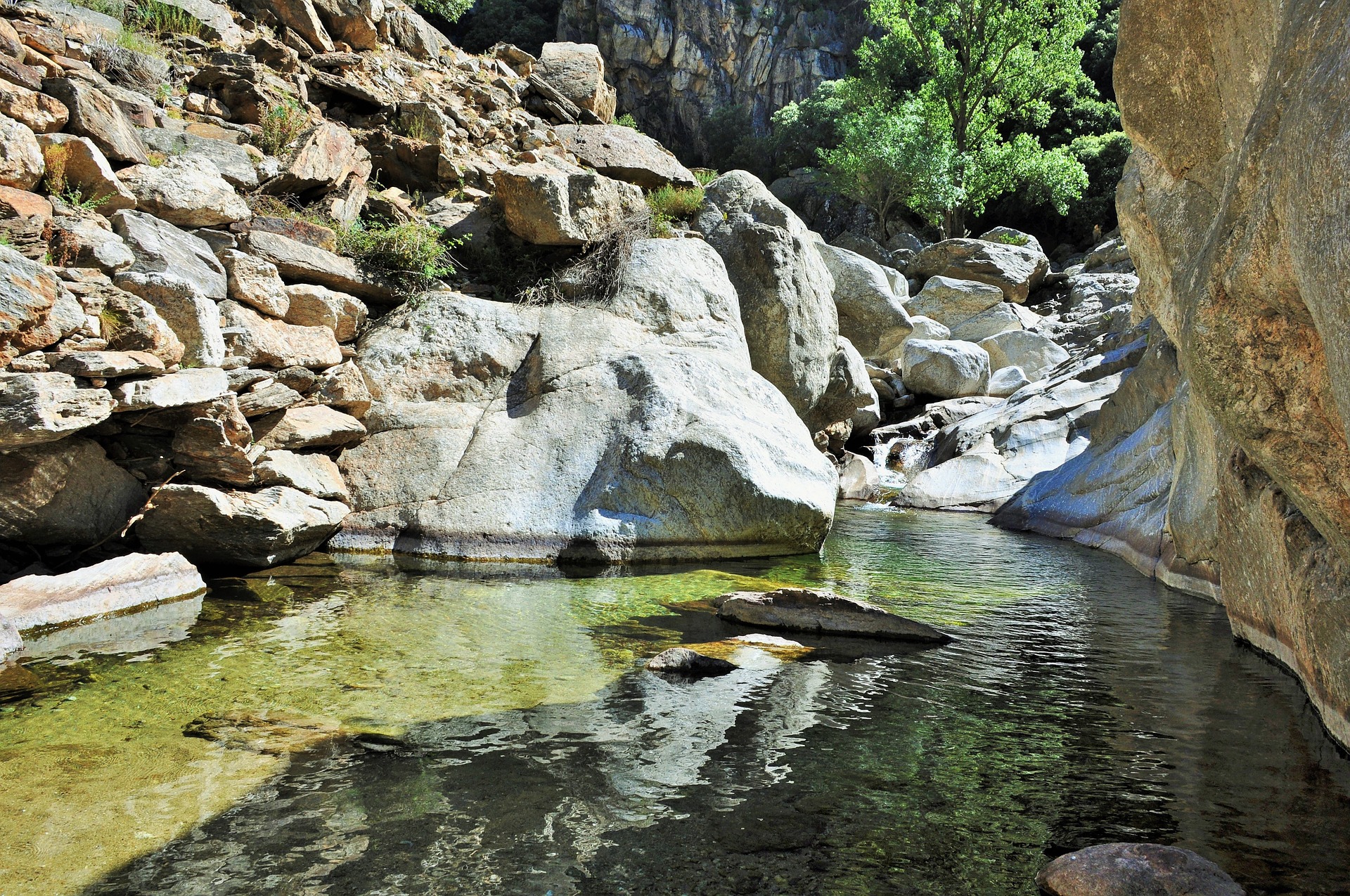
This is one of the most beautiful spots in the Hérault!
Take a stroll along the stream and discover the many waterfalls and chasms.
Follow the nature trail to discover the richness and diversity of the flora and fauna.
The walk to Héric is on foot; it’s 5 kilometres long with a 315-metre climb.
An ideal spot for a dip (please note: unsupervised swimming).
A perfect walk for families, and accessible with pushchairs!
The Mediterranean Sea:
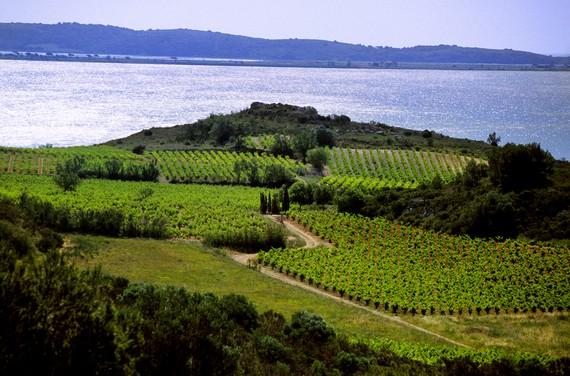
The Mediterranean Sea is France’s leading seaside destination, offering a wide variety of landscapes from Marseille to Perpignan. At Le Vernis campsite, the nearest coastline is the Côte d’Améthyste. It is bordered by the Côte Vermeille to the south and the Camargue to the north. All of the Languedoc-Roussillon region’s seaside resorts are located here.
The beaches of the Côte d’Améthyste are vast and sandy. It is here that you’ll find the largest beaches in the south of France. These beaches have retained much of their charm and are more expansive and wilder than those of the Côte d’Azur.
Saint Pierre la Mer with its stretches of fine sand, Narbonne Plage with its famous beach huts, Gruissan Plage with its unspoilt beach, and Port la Nouvelle with its sailing spots are all major seaside resorts that will satisfy all your seaside desires!
Pets are allowed on Créneau Naturel beach (Route de Gruissan, 11100 Narbonne)
The Montagne Noire:
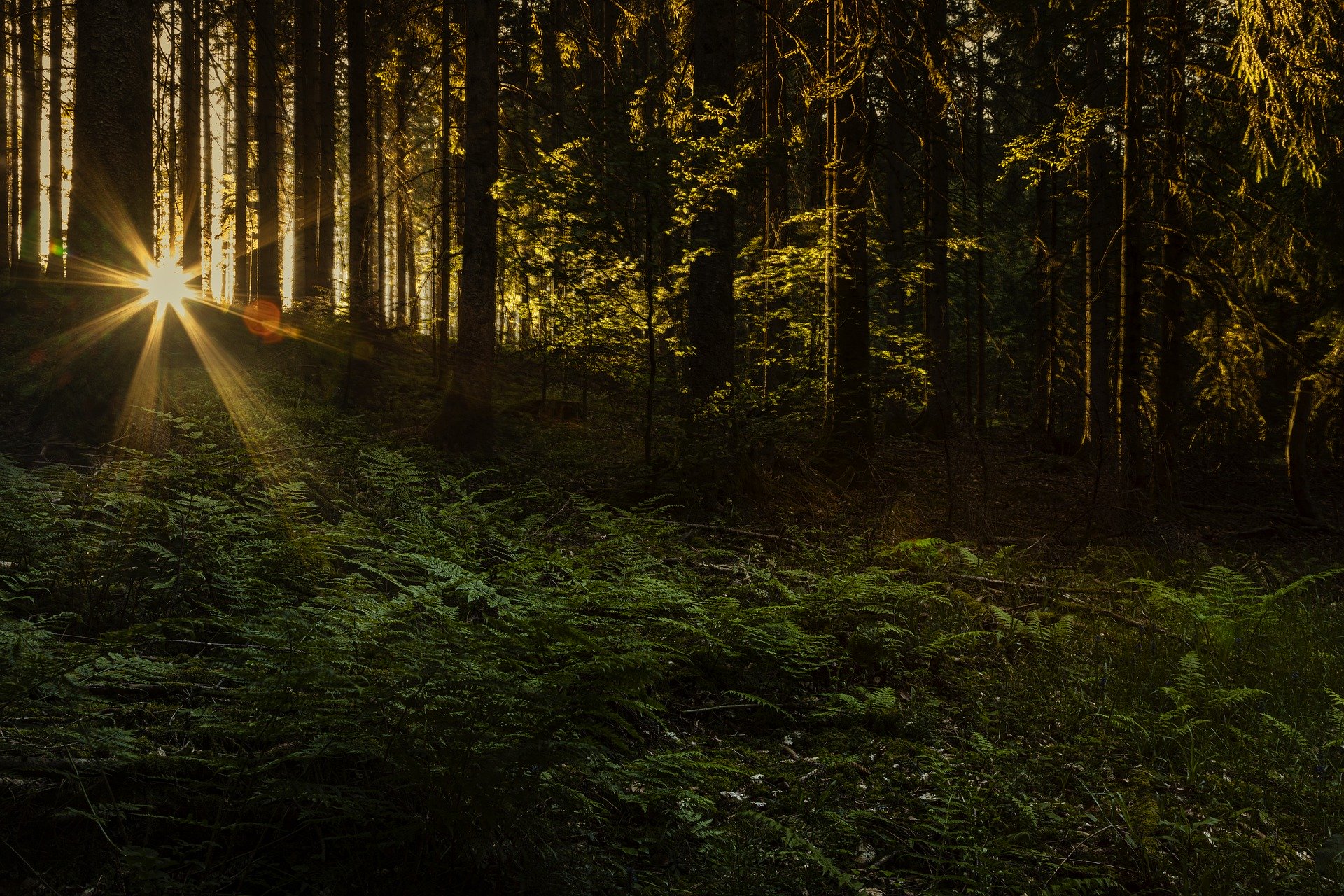
Its name comes from the vegetation that covers it!
When viewed from the plain, the Montagne Noire appears as a vast, dark mass.
On the northern slope, you’ll find spruce, fir, chestnut and beech trees.
On the southern (Mediterranean) slope, you’ll recognise pines,
garrigue, holm oaks and olive trees!
The Cubserviès Waterfall, the Rigole de la Montagne, the Grotte du Maquis, the Glacières, the Cathar castles of Saissac and Lastours… The Montagne Noire offers a beautiful array of diverse, unusual landscapes, shaped by its inhabitants over thousands of years.
More info at:http://www.tourisme-montagnenoire.com
The Corniou Caves:
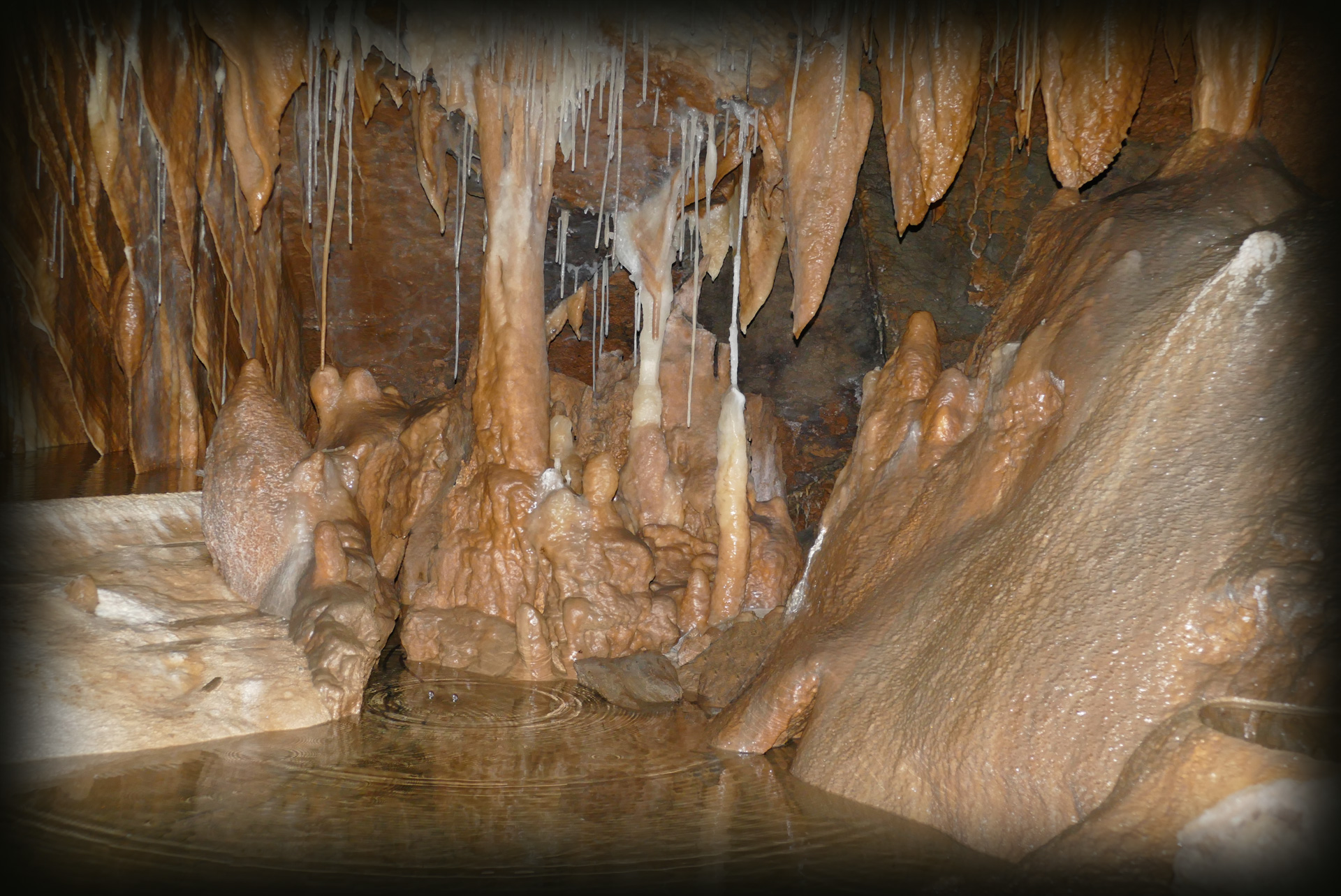
In the heart of the Haut-Languedoc Regional Nature Park,
it is nicknamed the ‘glassblower’s cave’ due to the beauty, delicacy and variety of its formations.
The action of the water has sculpted a profusion of formations here: stalactites, stalagmites, aragonite flowers...
At the end of the guided tour, an exhibition space dedicated to the underground world displays original artefacts from the exploration of the underground
and a 3D film rounds off the visit, offering an introduction to caving.
The Géant Cave:
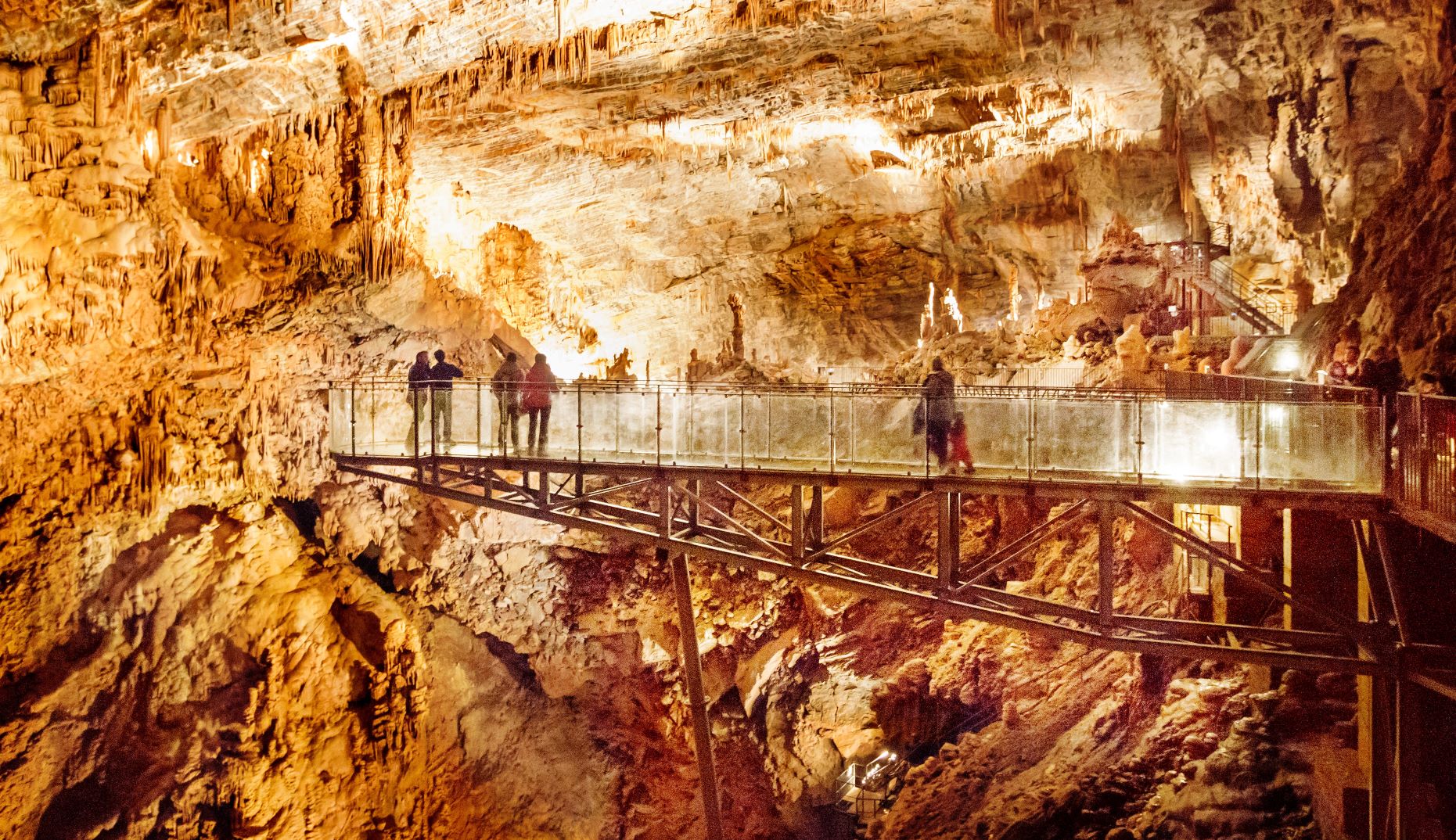
One of Europe’s most beautiful caves, with a depth of 250 metres.
Nominated for UNESCO World Heritage status.
Audio guide, glass balcony, lighting effects… for a unique underground experience!
The perfect outing on hot or rainy days!
The Cathar castles:
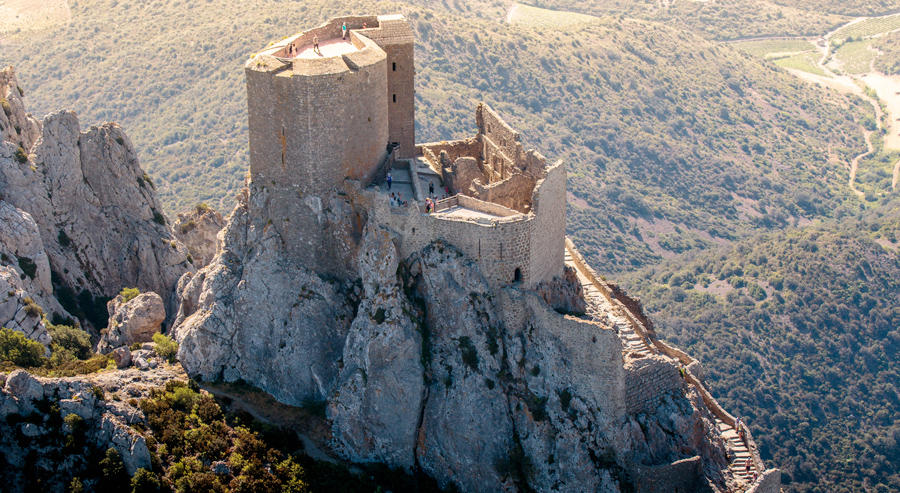
Perched atop the Corbières hills, defying the horizon between sky and earth,
these ‘dizzying citadels’, as they are also known, stand the test of time and tell a story that dates back to the 12th century.
From the heights of their ancient stones, the Cité de Carcassonne and seven other castles are in the running for UNESCO World Heritage status.
Incorrectly named the Castles of the Cathar Country, even though no Cathars ever lived there,
they constitute one of the first series of constructions inspired by the model of fortifications promoted by Philip Augustus.
Durfort Castle;
Miglos Castle;
Niort Castle;
Pieusse Castle
Roquefixade Castle
Usson Castle
Hautpoul Castle
Arques Castle
Miramont Castle
Padern Castle
Puivert Castle
Saissac Castle
Villerouge-Thermenès Castle